

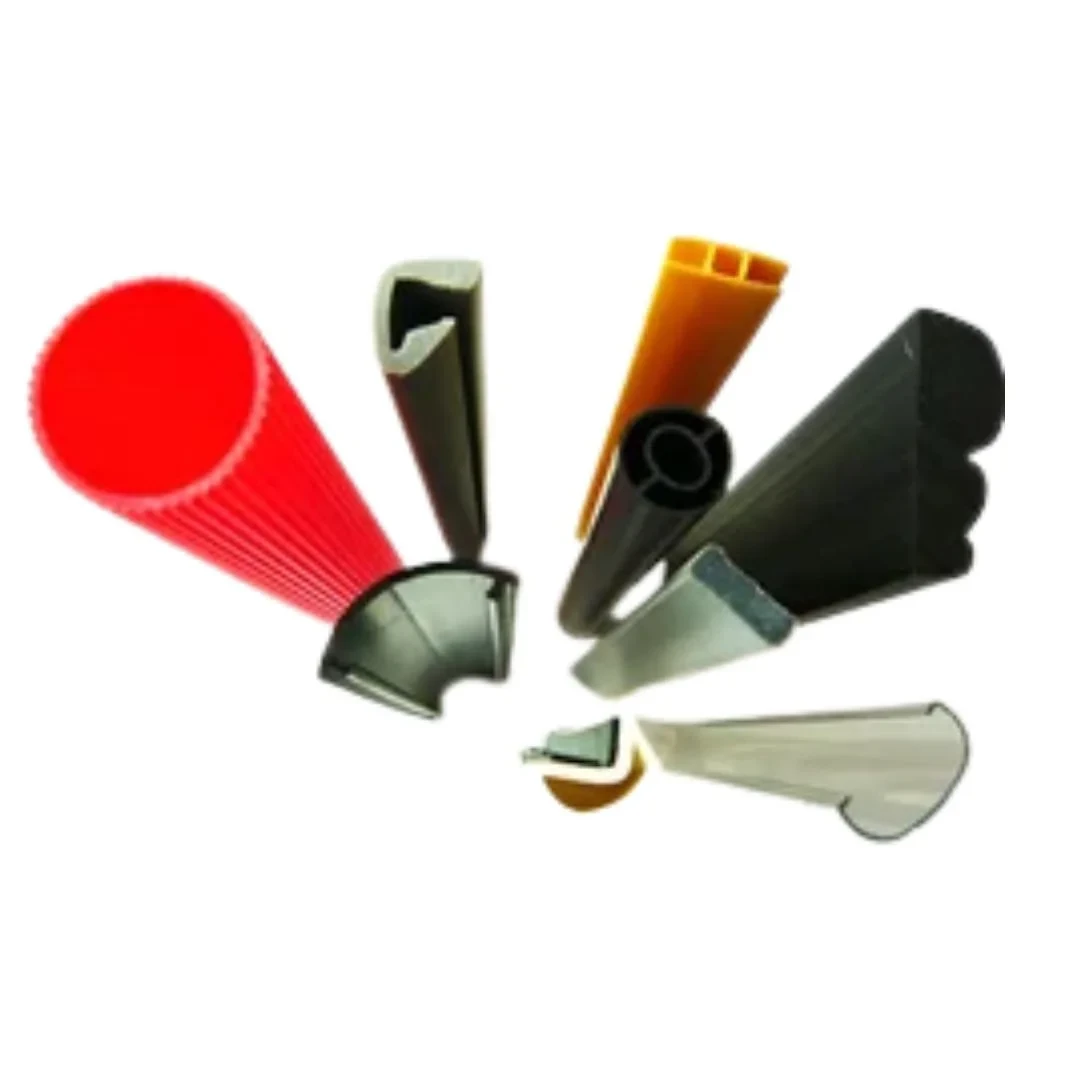
Future of Plastic Pipe Manufacturing Industry
The plastic pipe manufacturing industry is entering a high-growth phase driven by infrastructure expansion, urbanization, and material innovation. The future is not just about producing pipes—it’s about smarter, more efficient, and sustainable manufacturing.
1. Massive Infrastructure Demand
Government investments in water supply, sewage, and smart cities
Expansion of irrigation systems in agriculture
Rapid urban housing development
Reality: Demand is not slowing down anytime soon. The real competition will be in capacity and consistency.
2. Shift Toward HDPE & Advanced Materials
HDPE pipes replacing traditional materials due to flexibility and durability
Growth in multilayer and composite pipes
Increased use of CPVC for hot water systems
Manufacturers who don’t adapt to new materials will fall behind.
3. Automation & Smart Manufacturing
PLC and IoT-based extrusion systems
Real-time monitoring and predictive maintenance
Reduced dependency on manual labor
RD Engineering Work Direction: Advanced machinery with automation ensures precision, lower wastage, and higher output.
4. Sustainability & Recycling Pressure
Increasing regulations on plastic usage
Demand for recyclable and eco-friendly materials
Adoption of reprocessed materials with controlled quality
Companies ignoring sustainability will face compliance and brand challenges.
5. Energy Efficiency Will Be a Differentiator
Rising electricity costs pushing manufacturers toward efficient machines
Demand for low-power extrusion systems
Heat recovery and optimized processing
Energy-efficient plants will have a clear cost advantage.
6. Growth of Large Diameter & High-Pressure Pipes
Infrastructure projects require bigger and stronger pipes
Increased demand for industrial-grade piping systems
This segment offers higher margins but requires advanced machinery.
7. Expansion of Export Markets
Indian manufacturers gaining global recognition
Opportunities in Africa, Middle East, and Southeast Asia
Quality standards and certifications will decide export success.
8. Digitalization of Sales & Distribution
Dealer networks supported by digital platforms
Online B2B marketplaces growing
Faster order processing and logistics tracking
Manufacturers with strong distribution tech will scale faster.
9. Customization & Specialized Products
Demand for application-specific pipes
Anti-microbial, UV-resistant, and chemical-resistant pipes
Industry-specific solutions
Mass production alone won’t be enough—customization is the next edge.
10. Consolidation of Market Players
Smaller manufacturers struggling with compliance and cost pressures
Larger, organized players gaining market share
Survival will depend on efficiency, branding, and scale.
11. Role of Machinery Manufacturers
The future of pipe manufacturing depends heavily on machinery innovation.
High-speed extrusion lines
Low rejection systems
Smart control interfaces
RD Engineering Work Positioning: Delivering future-ready machinery that supports automation, efficiency, and scalability.
Conclusion
The plastic pipe manufacturing industry is moving toward automation, sustainability, and high-performance materials. The next decade will reward manufacturers who invest in technology, maintain quality, and build strong distribution networks.
Those relying on outdated machines and low-cost strategies will struggle to survive.
Bottom line: The future belongs to manufacturers who think beyond production—and build systems for scale, efficiency, and innovation.